
What Are Dental Crowns?
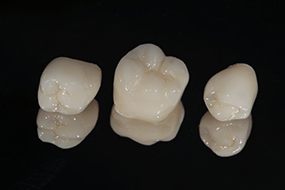 A dental crown is a custom-made restoration designed to fit over the entire visible portion of the tooth, also known as the crown, which is where this treatment gets its name. By placing a crown over a tooth, we can restore its shape, strength, and function back to what it originally was. Crowns can even be placed over cosmetically imperfect teeth to improve their appearance. Because crowns are most often made of dental porcelain, they have the uncanny ability to blend in with the rest of your smile.
Do I Need a Dental Crown?
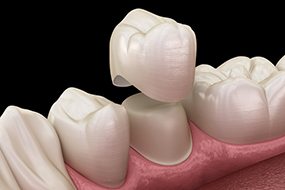 Dental crowns can be used in a lot of situations, such as when:
- A tooth is decayed to the point that a filling alone won’t correct the damage
- A tooth is severely injured or fractured
- A tooth has become so weakened that there is a high risk of fracture or breakage
- A missing tooth has been replaced with a dental implant and needs a restoration
- A tooth has undergone root canal therapy and needs protection
- A dental bridge is being placed to restore missing teeth and needs crowns to hold it in place
The Process of Getting a Dental Crown
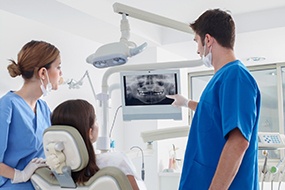 Having a custom dental crown designed and placed typically takes two appointments with our team. First, after discussing your goals for your new restoration, we’ll prepare the affected tooth and take digital impressions. These will be sent to a trusted dental laboratory for the creation of your finished crown; in the meantime, our doctors will place a temporary model so that your daily life isn’t disrupted. Once the finished crown arrives at our practice, you’ll be invited back so that we can make any final adjustments and cement the permanent restoration securely into place within your smile.
Benefits of Dental Crowns
 When a tooth is seriously damaged, the only options are to repair it or have it extracted. Since missing teeth come with a plethora of oral health problems (like shifting teeth and an increased risk of gum disease), our team tries to save your natural pearly whites whenever possible. Dental crowns in Hutchinson are a wonderful way to restore your oral health. They also provide the following additional benefits:
- With proper aftercare, your crown can last upwards of 10 years, possibly even 20.
- Although you’ll want to avoid chewing on certain objects like ice and hard candies, you’ll be able to enjoy your favorite crunchy foods to your heart’s content.
- In addition to improving your oral health, dental crowns look and feel perfectly natural.
Understanding the Cost of Dental Crowns
 Have you been told that you’ll need a dental crown to repair a heavily decayed or damaged tooth? This treatment may be the most viable way to protect and strengthen your smile, but you’ll want to know how much it’ll cost before going through with it. Our team will first pencil you in for a consultation where we can assess your situation and provide you with a more precise price estimate. We’ll also walk you through your financing options to help make the treatment more manageable for you. Until you arrive, here are several things to keep in mind.

Factors That Affect the Cost of Dental Crowns
Various factors can influence the overall price of dental crowns in Hutchinson, including:The extent of the damage or decay can impact whether you require preliminary procedures, such as root canal therapy or dental crowns, which can increase the final cost.
- The kind of material used to construct your dental crown, like porcelain vs amalgam.
- The number of teeth that need to be repaired or treated.
It’s important to remember that the quality of the material used for your restoration is crucial for its success. Even though some may assume an inexpensive option can save them money upfront, this can lead to costly issues down the road.
Does Dental Insurance Cover Dental Crowns?
The majority of dental insurance companies offer coverage for at least a portion of the cost of dental crowns, as they’re considered essential medical care. For most plans, about 50% of the total cost can be covered by your provider. That said, every plan varies from patient to patient, so you’ll need to consult your insurance company to see if dental crowns will be eligible for coverage. Our knowledgeable team will also be happy to help you understand the details of your policy so that you can make the most of your benefits.

Options for Making Dental Crowns Affordable
Those who don’t currently have dental insurance can still explore alternative financing solutions to make their treatment work within their budget. To help you feel stress-free about your procedure, our team offers plans through CareCredit—a third-party financier that can help separate the overall price of dental services into monthly installments. These plans also come with low-to-no interest, meaning you can save more money while restoring a healthy and comfortable smile! Don’t hesitate to reach out to us to learn more about your options for making your dental work more affordable.
Dental Crown FAQs
 When it comes to something as important as your oral health, it’s valuable to be informed. That’s why our team goes the extra mile to address any concerns or questions you have during your appointment. However, if you’d prefer to do your research online first, that’s okay too! For the answers to some of the most frequently asked questions we hear from patients about dental crowns in Hutchinson, read on.