
Summary:
Having a damaged or aching tooth should not be the reason you lose your boldness and confidence.
And this should not be a matter, especially when you have a trusted dental care right here in Hutchinson. If you have been told you might need a dental crown, or if you are simply curious about the process, this guide will walk you through everything in the simplest, most comforting way.
Dental crowns are generally more common than you might think; over 15 million crowns are placed in the U.S. every year, showing just how reliable and widely trusted they are.
In this article, we will cover:
- What Is a Dental Crown?
- Types of Crowns and Their Materials
- The Crown Process at Grant D. Ringler, DDS – Step by Step
Continue reading as we learn more about dental crowns and how it can benefit your smile. Let’s get started.
What Is a Dental Crown?
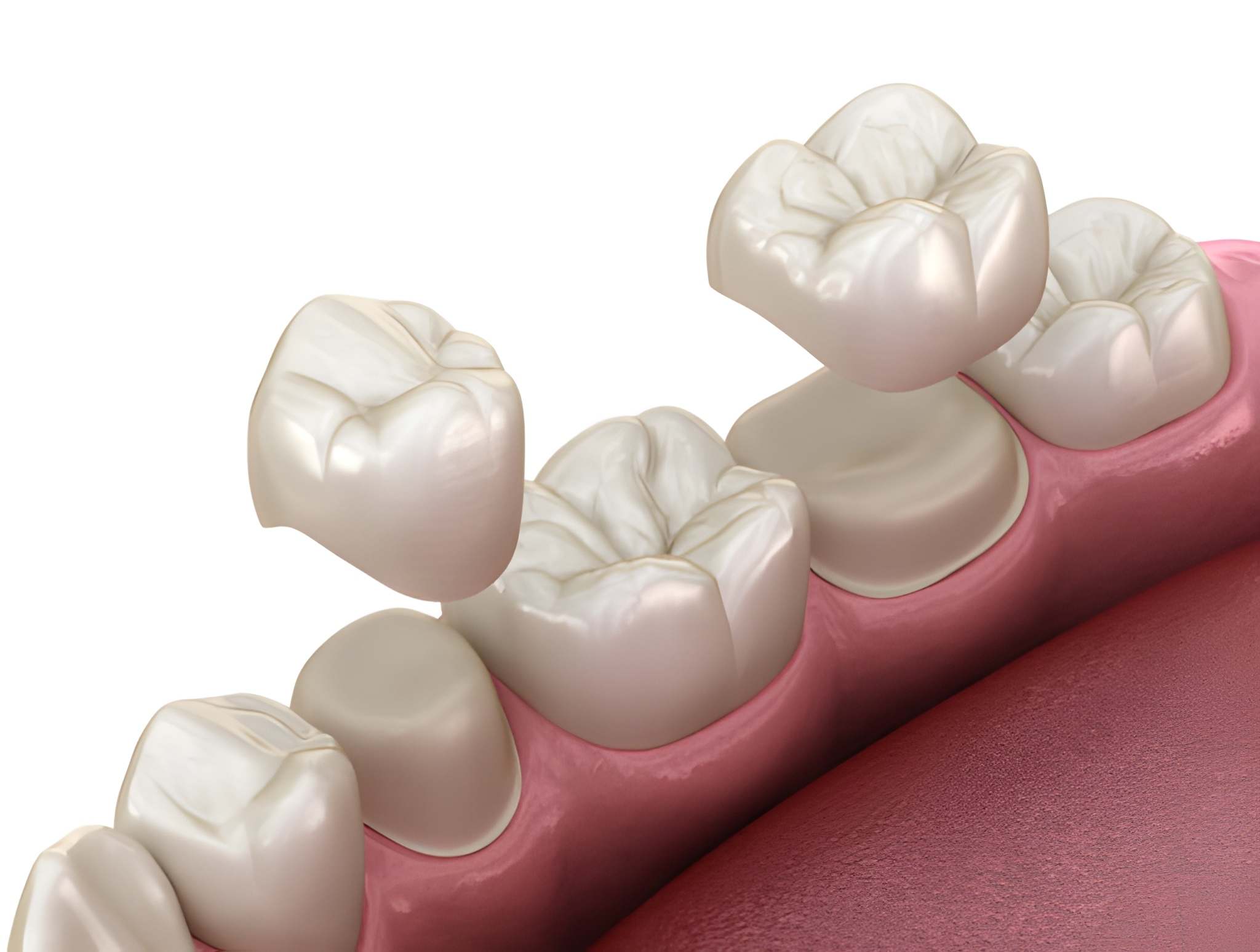
A dental crown is one of the modern dental treatments, a full-coverage restoration that caps a damaged or weakened tooth to protect it and restore its standard shape, function, and appearance. It works like a powerful, custom-made cover placed over your natural tooth.
Why Crowns Are Used
- Protect a cracked or worn tooth
- Restore proper chewing and strength
- Improve the look of a discolored or misshapen tooth
How It Differs From Other Treatments
- A filling fixes a small part of the tooth.
- A veneer covers only the front surface.
- A crown covers the entire tooth for complete protection.
If you need guidance on this matter, a dentist in Hutchinson, KS, can help you determine whether a crown is the right option for your smile.
Types of Crowns and Their Materials
Choosing the right dental crown often depends on where it is placed in your mouth, how strong it needs to be, and the look you want. Here is a simple breakdown to help you understand the standard options:
Porcelain-Fused-to-Metal (PFM) Crowns
- These crowns combine metal strength with a porcelain exterior.
- They look natural but may show a slight dark line near the gums over time.
All-Ceramic or All-Porcelain Crowns
- Great for front teeth because they blend beautifully with your smile.
- Best choice when you want the most natural, cosmetic result.
Zirconia Crowns
- Extremely strong and durable.
- Perfect for back teeth or bridges that experience heavy pressure.
Gold or Other Metal Crowns
- Very long-lasting and gentle on surrounding teeth.
- Not usually chosen for visible areas due to their metallic look.
Why Your Dentist Recommends a Specific Type
Your dentist considers:
- Location of the tooth (front vs. back)
- Your bite pressure
- Desired appearance
- Longevity and durability needs
This helps them choose a crown that looks great, feels comfortable, and lasts as long as possible.
Who Needs a Dental Crown?
Crowns are generally recommended when a tooth needs extra strength, protection, or a cosmetic boost. Here are the most common situations:
Large Cavities
If a cavity seems too large for a regular filling, a crown helps restore the tooth safely and prevents further damage.
Cracked or Fractured Teeth
A crown also helps hold the tooth together, reducing pain and preventing cracks from worsening.
After Root Canal Treatment
Teeth become weaker after a root canal, so a crown is often placed to protect them.
Worn-Down Teeth
Certain types of changes, such as grinding, acid wear, or age-related changes, may require a crown to restore proper shape and function.
Dental Implants
Crowns act as the final cap that your dentist places on an implant to replace a missing tooth.
Cosmetic Improvements
If a tooth is misshapen or even if severely discolored, a crown can improve its appearance.
Best Long-Term Option
Your dentist might recommend a crown when it offers better durability and protection than other treatments.
The Crown Process at Grant D. Ringler, DDS – Step by Step
If you are considering getting a dental crown in Hutchinson, KS, here is what the process typically looks like at Grant D. Ringler, DDS. Everything is designed to keep you comfortable and informed.
1. Consultation & Exam
Your visit with the dentist begins with an exam and X-rays. The dentist checks the tooth, talks you through various treatment options, and helps you choose the right crown material and shade. They create a simple treatment plan, so you know exactly what to expect.
2. Tooth Preparation
The experts gently remove the damaged or decayed part of the tooth. They then shape the tooth so the crown fits securely. Then, either an impression or a quick digital scan is taken.
3. Temporary Crown
A temporary crown protects your tooth while the final one is being made. It is usually worn for a couple of weeks and feels very natural.
4. Lab Fabrication or Same-Day Milling
Your crown might be crafted in a dental lab or milled in-office using CEREC technology. Availability can vary widely, so it is best to confirm it when you book your appointment.
5. Crown Cementation
The dentist, once ready, checks the fit, adjusts your bite, and permanently bonds the crown to keep it in place.
6. Follow-Up Care
A quick check with your dentist ensures everything feels right. Call the office if you notice sensitivity, looseness, or discomfort.
Comfort Measures
Local numbing helps to keep you pain-free, and mild sedation options may be available if you feel anxious.
Patients Also Ask
Q. How long does the crown procedure take?
It usually takes two visits, one for shaping the tooth and one for placing the crown. But it entirely depends on the quality of your original teeth.
Q. Will I feel pain during or after the procedure?
Since your dentist will numb the area, you should not feel pain during the treatment. However, if you feel any pain during the process, it’s best to visit your dentist at the earliest.
Q. How long do dental crowns last?
Most crowns last 10-15 years or longer with reasonable care and regular checkups. Additionally, your overall lifestyle affects the longevity of your appliance.
Conclusion
A dental crown is a reliable way to restore the form, function, and confidence of your tooth. At Grant D. Ringler, DDS, you will receive personal, thoughtful care to help you choose the crown that shall fit you best.
Are you ready to get started in this exciting journey? Call the Grant D. Ringler, DDS office today or book a consultation online. You can also bring your insurance details or download the “What to Expect” guide to make your visit even smoother.
Takeaway
- Dental crowns protect and restore damaged teeth with a natural look.
- Different crown materials offer options for strength, durability, and aesthetics.
- The process at Grant D. Ringler, DDS, is simple, comfortable, and usually completed in two visits.
- Crowns can last 10–15 years or longer with proper care and regular checkups.