
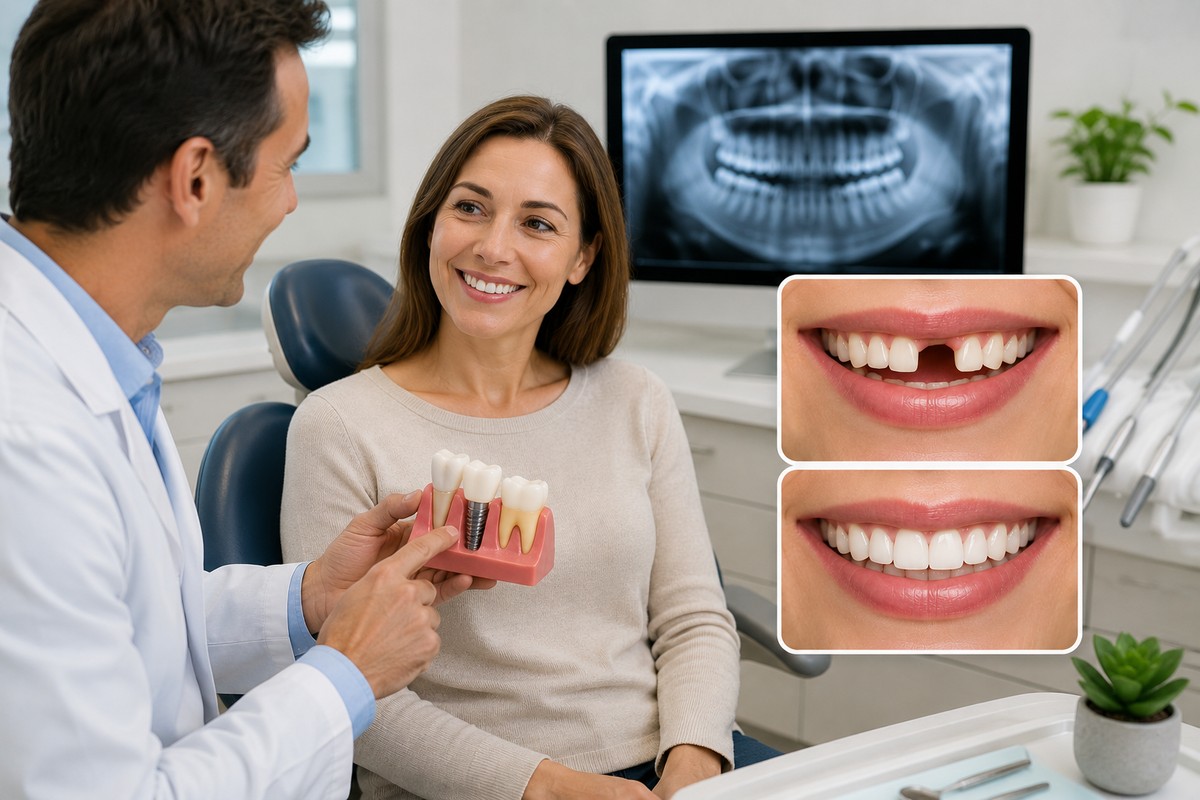
Introduction
When patients begin exploring tooth replacement options, one question often comes up early in the conversation.
How long will it last?
It’s a reasonable concern. Replacing a missing tooth is an investment in both oral health and daily comfort, so patients naturally want to understand how durable their chosen solution may be.
Dental implants are often described as a long-term option because they are designed differently from many other tooth replacement treatments. Rather than simply filling a gap, they create support beneath the gums and provide a foundation for a replacement tooth.
This design plays a major role in the popularity of implants among patients dealing with tooth loss.
Of course, longevity is only one part of the story.
Understanding how implants work, why they are designed for long-term use, and what factors contribute to their success can help patients make more informed treatment decisions.
In this blog, we’ll explore why Grant Ringler DDS implants are considered a long-term tooth replacement option, how the process works, and what patients can expect along the way.
Why Dental Implants Are Considered a Long-Term Solution
Not all tooth replacement options are suitable for patients. Some replacement options focus on restoring the visible portion of a missing tooth, while dental implants take a different approach by creating support beneath the gums as well.
This foundation supports the final restoration and contributes to the stability implants are known for. Besides, implants play a crucial role in day-to-day activities.
Wonder why?
People use their teeth all the time for eating, speaking, and smiling, all of which require the mouth to do work. A replacement tooth has to be able to meet those demands consistently, over time.
When patients come for implant consultations, they often hear words like durability, longevity, and stability. Although no dental treatment lasts forever without care, implants have a reputation for long-term success if supported by good oral hygiene and regular dental visits.
How the Implant Process Works
1. Initial Consultation
Every implant journey starts with an evaluation at your nearest clinic for dental implants in Hutchinson, KS. The dentist examines the teeth, gums, and jawbone to determine whether implant treatment is appropriate. Digital imaging may also be used to gather information that helps guide treatment planning.
2. Treatment Planning
Once the evaluation is complete, a treatment plan is created. This plan considers factors such as bone support, implant location, and overall oral health. Careful planning helps create a more predictable treatment experience.
3. Implant Placement
The implant is placed into the jawbone where the missing tooth once existed. This small titanium post serves as the foundation for the future restoration and is one of the key reasons implants are known for stability.
4. Healing and Integration
After placement, the jawbone gradually bonds with the implant. This healing period is important because it creates the support needed for long-term success. While patients often focus on the visible restoration, much of the important work happens beneath the gums during this stage.
5. Final Restoration
Once healing is complete, a custom-made crown is attached. The restoration is designed to look natural while restoring everyday function. For many patients, this is the moment when treatment truly feels complete.
At A Glance
| Who Qualifies? | Dental implants are ideal for patients with lost or missing teeth. |
| Process Overview | Step 1The procedure involves booking a call with your nearest dentist. Step 2 Upon visiting the dentist, they will examine your smile and proceed with an implant replacement. Step 3 Continue visiting your dentist for treatment and to improve your smile over time. |
| Timeline | Implant treatment takes a few months to complete. |
| Aftercare | Follow your dentist’s advice on healing and avoid specific foods during the suggested period. |
| Location & Contact | Grant D. Rigler DDS308, Garden Grove Pkwy, Hutchinson, KS |
Benefits of Dental Implants
a. Made for everyday use
Dental implants are the ideal option for tooth replacement in Hutchinson, KS. It’s designed to provide reliable support for routine activities such as eating, speaking, and smiling.
b. Stability in the long term
The second reason why implants are so popular is that they can provide predictable stability for years to come. Patients often like to know that their replacement tooth has a strong foundation beneath the gums.
c. Look Natural
The final restoration is custom-built to match the surrounding teeth. Careful thought is given to shape, size, and color to help create a natural-looking result.
d. Offers independent tooth replacement;
Dental implants usually do not need support from adjacent teeth. This allows the surrounding healthy teeth to remain intact while still replacing the missing tooth.
e. Enhances daily confidence
Oral photographs or meals can make some patients realize they have a missing tooth during conversations. Replacement of the tooth can help restore confidence in all sorts of everyday situations.
f. Engineered for endurance
Results will vary from patient to patient, but implants can last a long time with proper care. This long-term outlook is one of the main reasons why patients opt for implants over other replacement options.
Dental Implant Care for the Hutchinson Community
Patients in Hutchinson frequently ask practical questions before beginning implant treatment.
- How long will the implant last?
- What factors influence success?
- Is there anything they can do to protect their investment after treatment?
These are excellent questions.
The best implants in Hutchinson, KS, often come down to a combination of planning, oral hygiene, and regular dental care. While implants are designed for long-term use, ongoing maintenance remains important.
At Grant D. Rigler DDS, treatment planning focuses on helping patients understand both the benefits and responsibilities associated with implant care. Every patient’s oral health needs are different, which is why recommendations are tailored to the individual rather than based on a standard formula.
Discussing the process and long-term expectations with your dentist in Hutchinson, KS, helps patients make informed decisions about replacing missing teeth.
FAQs
1. How long do dental implants last in Hutchinson, KS?
With proper care and regular dental visits, dental implants can be functional for many years, and often last for decades.
2. Am I a candidate for dental implants?
Many healthy adults with missing teeth and sufficient jawbone support may be good candidates for treatment.
3. How much do dental implants cost in Hutchinson, KS?
The cost depends on how many implants are needed and if other procedures are necessary.
4. How long is the implant procedure?
The placement process is usually completed in a single appointment, but the overall treatment process spans several months.
5. What are the risks of dental implants?
Risks include infection, healing problems, or implant failure, but these are relatively uncommon when treatment is properly planned and monitored.
Conclusion
Dental implants are often considered a permanent solution because they are intended for stability, longevity, and daily function.
Implants are used by many patients to confidently replace missing teeth by building support underneath the gums and creating a foundation for a custom restoration.
Treatment takes planning and patience, but the long-term benefits are often what make implants such a popular choice.
If you are exploring options to replace missing teeth, a consultation with experts at Grant D. Ringler, DDS, can help you determine if dental implants are the right choice for your needs, goals, and oral health.